Gilgil farmer invents system to stretch rain all year
3 min read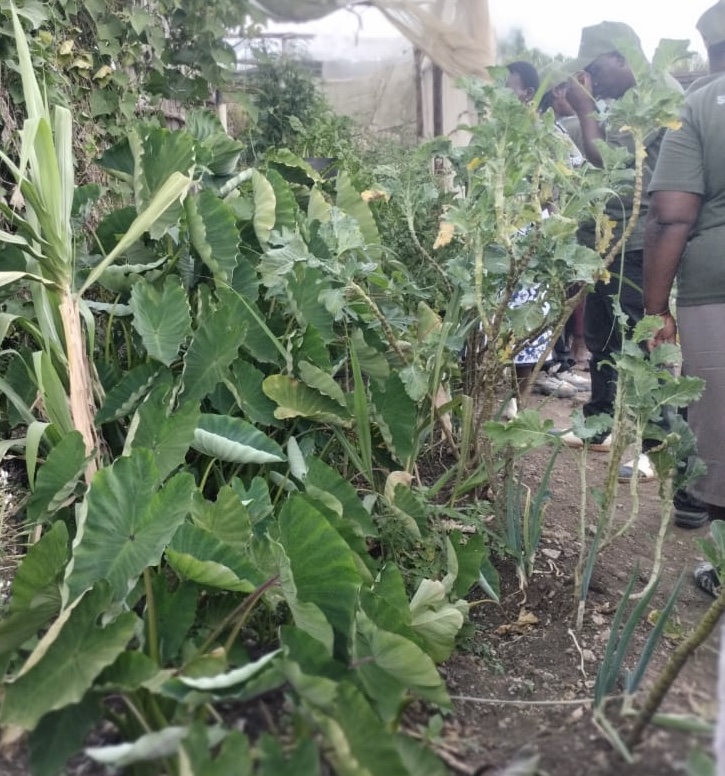
By Antynet Ford
Beatrice Wanjui has transformed her rocky farm in Gilgil into an all-year producer by harvesting and recycling more than 60,000 litres of water with home-made solutions.
“There are some problems that give you a solution to all the problems you are facing,” said Beatrice Wangui during a farm tour by Farmbiz Africa at her homestead in the LungaLunga area of Gilgil, Nakuru County.
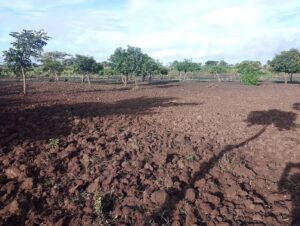
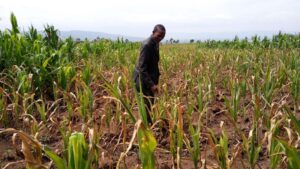
For years, Wangui struggled with farming on rocky land. The terrain made it nearly impossible to drill a borehole, and there was no chance of piped water from the county government. But relying on erratic rainfall made water scarcity a constant challenge in her home and farm, until she turned to water harvesting, and recycling.
She began by acquiring six 5,000-litre water tanks, and then added a 30,000-litre underground water tank as well.
“I dug a six metres by six metres square and six metres deep too. It was then well constructed with concrete and Vetagro paper with the top being covered with iron sheets. I then connected it with a rain water harvesting system that I set up on the roof of my house,” she explained.
To reduce evaporation during the heat, she grew indigenous pumpkins and climbing beans on top of the iron sheets covering the water tank.
“With over 60,000 litres of water, I am assured of never running out of water for home and farm use at my homestead,” she said.
She also adopted water recycling, reusing soapy laundry water purified with wood ash to remove soap chemicals. She has redirected her kitchen wastewater to irrigate arrowroots that she grows behind her kitchen.
“When I wash cloths, I do not dispose of the water. You see, with water being a big challenge in this area, I have to ensure that no amount of water goes into wastage. So I recycle the water into my farm after I purify it with wood ash. When you place wood ash into the water, it clears all the chemicals by soap in the water and it is clean for irrigating the crops at the farm,” she narrates.
Cleaning it needs a small handful of wood ash added to about 20 litres of soapy water, which is stirred well, and left to stand for a few hours. The dirt and soap settle, leaving the cleaned water at the top.
Some farmers also filter the water a second time through sand, gravel and soil in layers in the bottom of a bucket, with a hole at the bottom covered with cloth to keep the sand in but let the water through.
Related news:
Increased rainfall could lead to onion & tomato panic sales
Seedlings nursery introduces drought tolerant apples for low rainfall areas
Fruit farming saving eastern region farmers from erratic rainfall
The cleaner the recycled water, the better it is for crops.
“I do the same for kitchen waste water that I use to clean utensils and other kitchen services. As you can see, the kitchen waste water is redirected to where the arrowroots are grown and they are doing well,” she said.
The mix of harvested and recycled water gives her enough to irrigate her vegetables twice a week all year, and she uses mulch to keep moisture in the soil.
Are you a farmer looking to grow the most profitable crop on your farm, with or without irrigation. Use FarmBizAfrica’s HarvestMAX on https://harvestmax.farmbizapps.com and it will tell you in less than a minute what the highest income-earning crops are for your weather, soil type and this season, based on your seasonal weather forecast. Don’t make weather losses ever again, and more than triple your income.