Farmer doubles income by growing chipilin weed as crop
4 min read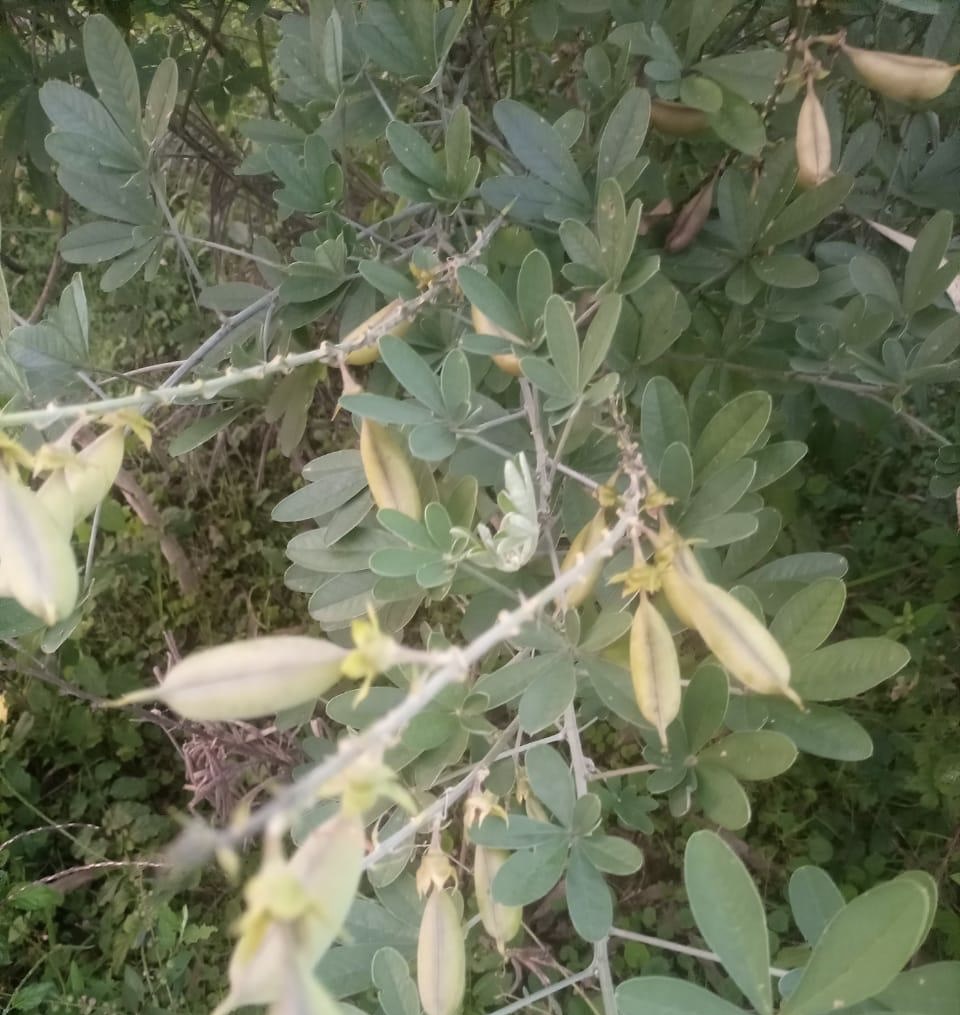
By Felix Ochieng Akech
A Migori County farmer is earning up to Sh150,000 a month from a quarter acre after moving a local weed, chipilin, into commercial production.
The weed that he now sells as bundles of leaves needs less fertiliser, fewer pesticide sprays and he is harvesting it for up to nine months continuously, more than doubling his previous earnings from sukuma wiki.
With sukuma wiki, Elijah Otieno was “working very hard, spraying often and buying fertiliser, but the profits were so poor, sometimes I wondered if farming was still worth it,” he said.
But he had seen women harvesting chipilín by the riverbanks and fences near him for food. “That is when I learned it was called chipilín. People were eating it, but nobody was farming it.”
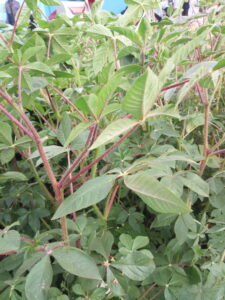
Before planting, Elijah said he first confirmed he was dealing with the edible, non-toxic chipilín known locally. Farmers and extension officers told him the safe type had soft green leaves growing in groups of three, thin green stems, small yellow pea-like flowers and no bitter smell when the leaves were crushed.
“I was warned that some plants look similar, but are not safe, so I only collected seed from the type people were already eating,” he said.
In 2023, Elijah began with a small trial on 0.1 acres. He collected mature dry pods from the safe plants, dried them for two weeks and shelled the seeds by hand. Germination was about 70 per cent and growth was uneven, but the crop matured quickly.
“After about five weeks, I was already harvesting tender shoots,” he said. “Neighbours started asking for bundles, and that’s when I saw there was demand.”
The stems and pods from chipilin are unpleasant and even toxic to eat, but the young leaves and shoots are high protein and nutritious, rich in iron and vital vitamins for health.
But Elijah’s chipilín only became profitable when he began managing it as a crop rather than as a wild vegetable. He improved seed selection by harvesting only from healthy plants at least four months old, collecting fully dry brown pods, sun-drying them for three days and storing seed in airtight bottles with ash to control moisture.
“At first, I mixed immature and mature pods, and the plants came out uneven,” he said.
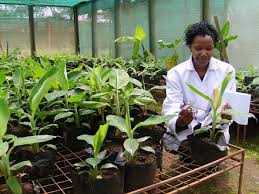
He now soaks seed in warm water for six hours before planting to soften the hard seed coat, raising germination to over 90 per cent. He also raises seedlings in nursery trays for 14 days and transplants only strong plants to the field.
“This helps me keep uniform spacing and strong plant populations,” he said. “My field is now predictable.”
Elijah plants at 50 cm between rows and 40 cm within rows, giving about 12,500 plants per acre. He uses raised beds because chipilín does not tolerate waterlogging. During land preparation, he applies about two tonnes of compost per acre. As a legume, chipilín requires less nitrogen, so he avoids heavy nitrogen fertilisers and instead applies rock phosphate and wood ash every two months, combined with heavy mulching using dry grass.
“My fertiliser cost dropped by about 60 per cent compared to sukuma wiki,” he said. “The soil is healthier and it’s moisture lasts.”
Elijah also learned he gets more harvest by picking only the top 15–20 cm of tender shoots every 7 to 10 days, which makes the plant form more branches and keep producing leaves.
“One plant can produce for seven to nine months if you harvest it properly,” he said.
From 0.25 acres, Elijah now harvests about 180kg to 220 kg of fresh leaves a week during peak periods. Pest pressure has remained low compared to brassicas. He controls occasional aphids and leaf miners using neem extract sprays and flowering border plants that attract beneficial insects such as ladybirds.
“I have not used chemical pesticides for over one year,” he said. “Because the crop grows fast and is harvested often, pests don’t build up.”
Related news:
Farmer pioneers nuisance weed as high-profit herbal crop
Farmers start making seaweed tea as powerful fertiliser
Digging in weeds ahead of planting lifts maize yields 40%
His harvest handling has also extended the life of the picked leaves from one day to about three days. Elijah harvests early in the morning, washes leaves in clean water with a mild salt solution, drains them under shade and packs them in perforated crates. He sells in 250 g bundles.
His buyers include consumers familiar with indigenous vegetables, small restaurants and health-conscious customers. Each bundle sells at Sh40 to Sh50. Elijah said he sells about 3,000 bundles a month, adding up to Sh120,000 to Sh150,000. He spends about Sh25,000 per season on costs, leaving Sh90,000 to Sh110,000 in profits in the most productive months.
“With sukuma on the same land, I used to earn only Sh40,000 to Sh60,000 and spent more on pesticides,” he said. “My income has more than doubled.”
“Before, chipilín was just something people picked from the bush. Now it is my business crop.”
Are you a farmer looking to grow the most profitable crop on your farm, with or without irrigation. Use FarmBizAfrica’s HarvestMAX on https://harvestmax.farmbizapps.com and it will tell you in less than a minute what the highest income-earning crops are for your weather, soil type and this season, based on your seasonal weather forecast. Don’t make weather losses ever again, and more than triple your income.