Duck farmers return on high prices, despite tough production and post-Covid market collapse
3 min read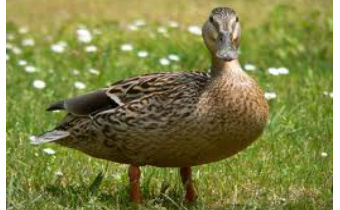
The slow walking birds considered by many as dirty are valued by farmers in this region for their nutritious meat and more so, their oil rich skins
By Antynett Ford
The cost of living crisis flattened East Africa’s duck industry, forcing even its most successful producers to cut back. But with prices now soaring, leading farmers such as Peter Irungu of Nyika Farm Birds are venturing back in, drawn by the strong returns from eggs and meat.
“I did not stop completely, I just changed and reduced the concentration of rearing them for some time, but in August, I will be back,” said Peter, who supplied duck meat and eggs across the region for more than a decade, from 2011 to 2023
“Before things changed, we were even selling in Uganda, Tanzania, and Congo, where I have sold a lot.”
But production is challenging.
“The huge problem with ducks is hatching. If you put the eggs in an incubator, you may get between 20–30 per cent. At times, it gets as low as 10 per cent. When you get 40 per cent, you’ve done well. For you to get like 100 ducks, you need almost five hundred eggs,” he said. “I currently have fifty eggs in my incubator, and I hope to get between five to twenty birds.”
Farmers also need to hold back feeding when demand dips to prevent oversupply. “What happens when the demand is low, you do food rationing for them, then when the demand goes up, you feed them and ensure they lay eggs and do more supply for eggs,” he said.
However, ducks don’t need large ponds or rivers, just clean water in containers, and the returns are strong,
“We were selling it between Sh1,500 and Sh2,000, where for broilers, they’re always Sh1,500, but the meat quantity cannot be compared to duck.”
“There are hotels that have duck meat in their menu, and they are great customers, often buying 10 birds a week, but that demand is huge because you need to be rearing over 200 ducks to be able to supply 10 every week.”
Eggs, too, command high prices. “An egg costs between Sh50 and Sh150,” said Peter. “The eggs are good in baking because they even have their own oil. Though it’s international bakeries that buy these, because Kenyan ones want cheaper ingredients, but we incur a lot of costs in producing.”
Scale can make a difference in this. In India, he said, where duck farming is done at scale, eggs can cost as little as Sh6, making them more viable for baking.
But East Africa’s smaller-scale producers were hit hard as consumers had less to spend in the years following the Covid pandemic.
“People do not have money, so the demand went down and the price went up.”
“People stopped buying duck meat because it’s expensive compared to chicken,” said Peter. “When prices rose higher and were going higher for everything, people even opted for Sh600 broilers instead.”
“Many of my fellow farmers rearing ducks opted to do other agro-economic activities. Some have opted for cheaper birds or even generally quit.”
Read Also:
New market app increases monthly chick sales by 2,500 for poultry farmer
Polythene lining keeps ducks home for Machakos farmer
Laikipia poultry farm sprays garlic, thyme & mint to kill off chicken keepers’ nightmare
“The rearing of ducks is not bad, but a lot has changed in terms of agribusiness,” he said. “You go with the seasons.”
However, with demand now stabilising and prices high, Peter is hoping the sector can recover, and incubating 50 eggs to supply from August 2025.
“I currently have 50 eggs in my incubator, and I hope to get five to 20 birds, which I hope to come to market with, as I have the parent stock.”
Are you a farmer looking to grow the most profitable crop on your farm, with or without irrigation. Use FarmBizAfrica’s HarvestMAX on https://harvestmax.farmbizapps.com and it will tell you in less than a minute what the highest income-earning crops are for your weather, soil type and this season, based on your seasonal weather forecast. Don’t make weather losses ever again, and more than triple your income.